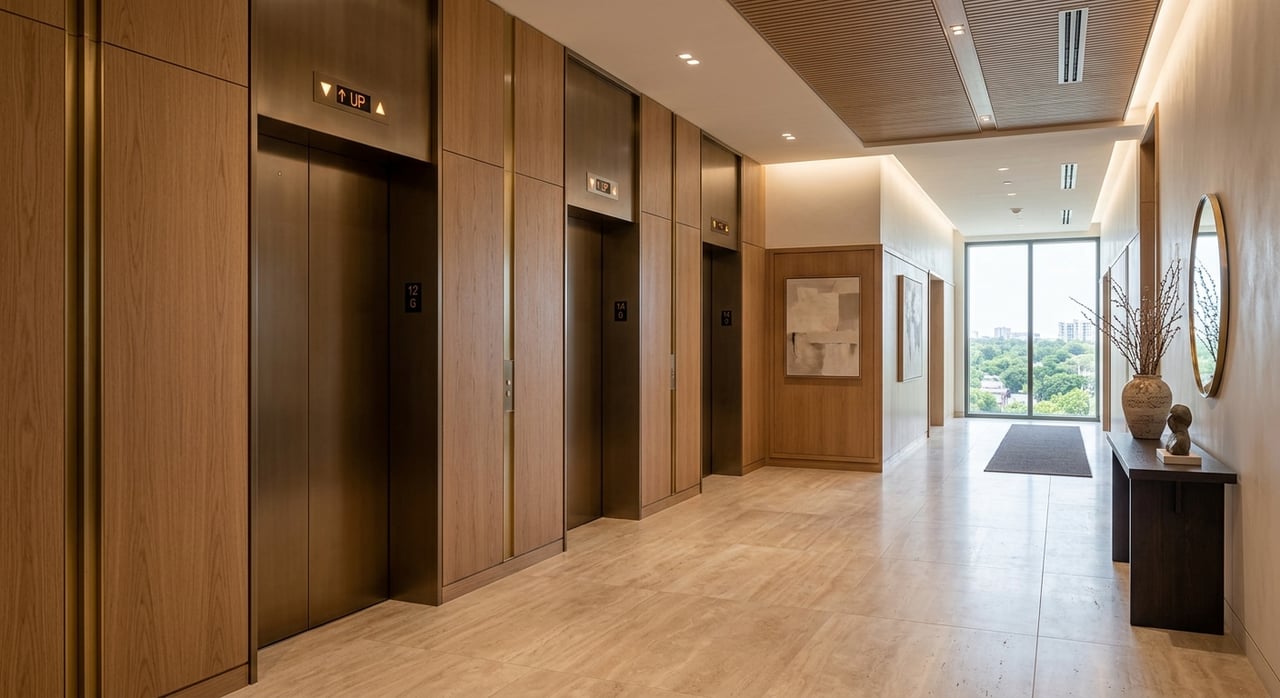
What Second-Home Buyers Should Know About Naples Condos
July 2, 2026
July 2, 2026
If you are thinking about buying a second home in Naples, a condo can look like the perfect low-maintenance answer. But in this market, the real decision is often less about the view or floor plan and more about the fine print behind ownership. When you understand fees, rules, taxes, insurance, and building condition before you buy, you can make a far more confident choice. Let’s dive in.
Naples condo shopping is not one single market. In NABOR’s April 2026 report, the year-to-date median condo price was $445,000 in North Naples, $350,000 in South Naples, and $310,000 in Central Naples.
Supply also varied by submarket. North Naples showed 8.6 months of supply, South Naples had 8.7 months, and Central Naples had 6.2 months. For you as a second-home buyer, that means price and negotiating room can look different depending on where you focus your search.
When you buy a Naples condo, you are not just buying a unit. You are also buying into a condominium association structure that controls maintenance, insurance responsibilities, budgeting, and day-to-day rules.
Under Florida law, the association is generally responsible for maintaining common elements. The declaration can assign some duties differently, especially for limited common elements, so two condos with similar asking prices can create very different ownership experiences.
That matters if you want an easy lock-and-leave property. In one building, the association may handle more of the exterior upkeep and shared systems. In another, you may still be responsible for more items than you expected.
A monthly or quarterly condo fee is only the starting point. Florida law requires assessments to cover operating expenses, and those assessments must be collected often enough to fund current costs.
You should also ask what is included beyond routine operations. Some communities may have separate club dues, marina-related costs, land-use fees, or recreational facility fees that add to the true carrying cost.
This is especially important in Naples lifestyle communities. Florida law allows associations to acquire use interests in country clubs, golf courses, marinas, and other recreational facilities, and those costs can be treated as common expenses under the declaration.
A low fee can look attractive at first glance, but it does not always mean lower long-term cost. In many cases, it may simply mean reserves are lean or major projects have not yet fully hit the budget.
For buildings with three or more habitable stories, Florida law requires a structural integrity reserve study, often called a SIRS, at least every 10 years. These studies focus on major building components such as the roof, structure, fire protection, plumbing, electrical systems, waterproofing, exterior painting, windows, and exterior doors.
For budgets adopted after December 31, 2024, associations that must obtain a SIRS generally may not waive or underfund required reserves for those items. That makes reserve funding a much bigger part of the ownership picture for many Naples condo buyers.
Special assessments are one of the biggest cost surprises for second-home buyers. Florida law requires them to be described in writing, and the money collected can be used only for the stated purpose.
Before you buy, ask whether the building has current or pending special assessments. You should also ask whether the association has loans or lines of credit tied to repairs, since those obligations can affect your future costs even if the monthly fee looks manageable today.
Many out-of-state buyers assume property taxes will work the same way as they do for a primary residence. In Naples, that can be an expensive assumption.
Collier County explains that the Florida homestead exemption generally requires the property to be your permanent residence as of January 1. Because a second home usually does not qualify, you should not expect homestead benefits or the Save Our Homes cap that applies to qualifying homestead property.
For non-homestead residential property, assessments begin at just value and then can rise by up to 10 percent per year. If you are comparing a second home with a future primary residence plan, this is an important part of the budget discussion.
Condo buyers are sometimes surprised by how insurance is split between the association and the unit owner. Florida law requires the association to maintain adequate property insurance for the condominium, but that does not mean every part of your unit is fully covered by the master policy.
Your own policy typically covers items excluded from the association’s master policy, including personal property and many interior finishes. That is why it is smart to ask specific questions about what happens if there is damage to interior surfaces, cabinetry, appliances, owner improvements, or flooring.
In practical terms, you should not assume two buildings handle this the same way. The declaration and insurance structure can shift your out-of-pocket risk in meaningful ways.
For a second home, convenience often ranks high on the wish list. That makes building condition especially important, because deferred maintenance or large repair projects can interrupt the easy ownership experience many buyers want.
Florida requires milestone inspections for residential condominium buildings that are three or more habitable stories once they reach the statutory age trigger. According to DBPR, that is generally 30 years of age and every 10 years after that, or 25 years if the local enforcement agency has adopted the earlier threshold.
If you are considering an older building, request the milestone inspection summary before you make an offer. It can give you a clearer picture of upcoming repairs, future disruption, and possible added cost.
If you plan to rent the condo when you are not using it, rental rules deserve just as much attention as the location. The declaration and rules may set minimum lease terms, limit how many times per year you can rent, or require association approval.
Florida law also allows associations to deny leases in some cases if the declaration or bylaws give them approval power and there are delinquent assessments involved. For second-home buyers hoping to offset costs with seasonal rentals, those details can directly affect your strategy.
An estoppel certificate can help reveal transfer fees, pending assessments, rental-approval requirements, rights of first refusal, or other associations tied to the unit. That is valuable information before you commit.
Rental income can look appealing on paper, but the tax side needs its own review. Florida law allows counties to impose local option transient rental taxes on rentals or leases of accommodations, including condominiums, for terms of six months or less.
The Florida Department of Revenue also notes that these taxes can apply on top of state sales and use tax and any discretionary surtax. If short-term rental income is part of your plan, confirm the association’s rental policy and the tax registration steps before you rely on projected numbers.
One of the best ways to evaluate a Naples condo is to review the association records early. Florida law requires condominium associations to keep records such as the declaration, bylaws, rules, minutes, inspection reports, and permits.
Those records can help you spot recurring maintenance concerns, recent inspection findings, pending litigation, reserve changes, or patterns of special assessments. For a second-home purchase, that paper trail often tells you more than a beautifully staged unit ever could.
Before you move forward on a Naples condo, keep these questions in front of you:
Naples condo buying is highly local, especially in waterfront, golf, and lifestyle-oriented communities. Two properties with similar pricing can have very different ownership costs, rental flexibility, insurance obligations, and future repair exposure.
That is why a careful review of the association structure is just as important as the location and finishes. If you want a second home that feels easy, elegant, and financially sensible, the right questions up front can save you from expensive surprises later.
If you are comparing Naples condo options and want practical insight into fees, building condition, lifestyle fit, and long-term value, Donna Schrim offers the calm, local guidance that helps second-home buyers make smart decisions with confidence.
Stay up to date on the latest real estate trends.


A thoughtful, results-driven approach tailored to your goals—combining market insight, strategic guidance, and a seamless experience from start to finish.