Evaluating New Construction Versus Renovation In Olde Naples
July 9, 2026
July 9, 2026
Are you better off renovating a classic Olde Naples home or starting fresh with new construction? In this part of Naples, the answer is rarely simple. Your lot, flood zone, historic status, and project scope can all change the math, the timeline, and the long-term value. If you are weighing both paths, a clear look at the local rules and market context can help you make a smarter decision. Let’s dive in.
Olde Naples is not a one-size-fits-all neighborhood. You will find older cottages, historic homes, and newer luxury residences side by side, which means your decision is about more than cost alone.
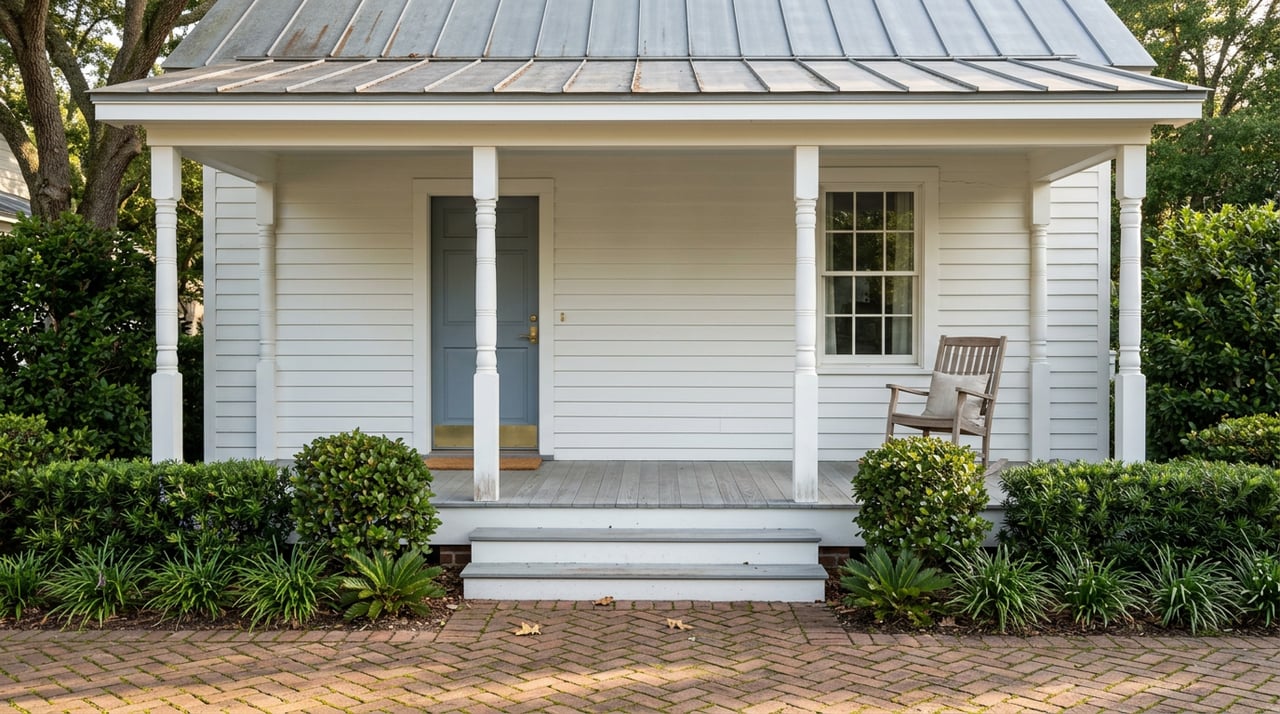
The area also has a strong architectural identity. City guidance references local forms such as bungalow, Colonial Revival, Mediterranean Revival, and frame vernacular, while the Naples Historical Society describes the district as a residential neighborhood of historic homes. Historic Palm Cottage, built in 1895, is one example of how deep that history runs.
Because of that, parcel-level details matter. The City of Naples maintains an official Historic District map, so whether a property falls within the district can affect what is possible and how the process works.
Before you compare budgets or design ideas, it helps to answer a few key questions about the specific home and lot.
If the parcel is inside the City of Naples Historic District, the structure may be treated differently than a typical home improvement project. The city distinguishes between the district itself and historic buildings, so the property’s exact status matters.
That status can influence whether renovation is encouraged, whether demolition faces added review, and whether a separate preservation pathway may apply.
If the home is in a Special Flood Hazard Area, the City of Naples says almost all permitted development requires floodplain review. That can affect both renovation and new construction.
The city also recommends getting an official flood-zone determination from a licensed engineer, architect, or surveyor rather than relying only on map lookups. That is a smart step before you buy, design, or finalize your scope.
A project that sounds like a remodel can sometimes be treated as a much larger job under city rules. Naples notes that permits are required for most work that constructs, enlarges, alters, repairs, moves, or demolishes a building.
The labels matter. Repair, alteration, major alteration, major remodeling, and substantial improvement can trigger different review, fencing, and flood-compliance requirements.
Renovation can be appealing if you want to preserve the lot, retain the home’s character, or avoid a full teardown. In Olde Naples, that can be especially attractive when the existing house fits the setting and the improvements are focused.
A selective renovation may also create less disruption than starting over. If the floor plan, placement, and structure already work for your goals, upgrading key systems and finishes can be a more measured path.
That said, renovation does not automatically mean easier. In Naples, permits are required for most building work, and larger remodeling projects can cross thresholds that change the process.
The city says major remodeling can be triggered by a 10,000-cubic-foot increase or a 1,000-square-foot footprint increase. A major alteration is defined as a 50 percent or greater change in gross square footage. Those larger jobs also trigger construction-fence requirements.
Flood compliance is one of the biggest factors in older coastal homes. The City of Naples defines substantial improvement as work costing 50 percent or more of the structure’s market value.
If a building is substantially improved or substantially damaged, it must be brought into compliance with current flood rules, including elevation to or above base flood elevation. For this determination, the city uses the structure value from the Collier County Property Appraiser and excludes land, pools, spas, and other non-permanent items.
The city also notes that residential floodproofing below base flood elevation is not permitted under NFIP rules or in a coastal high-hazard zone. That is one reason a renovation budget can shift quickly once flood requirements enter the picture.
If the home is a recognized historic building, the process may be meaningfully different. The city’s historic rehabilitation guide says exterior work may need review by the State Historic Preservation Office, while interior-only work that does not affect the exterior may not.
The same guide also says owners in the historic district may apply for exemptions from local floodplain regulations and substantial-improvement requirements when preservation conditions are met. For some owners, that can make preservation-minded renovation more workable than a standard remodel would be.
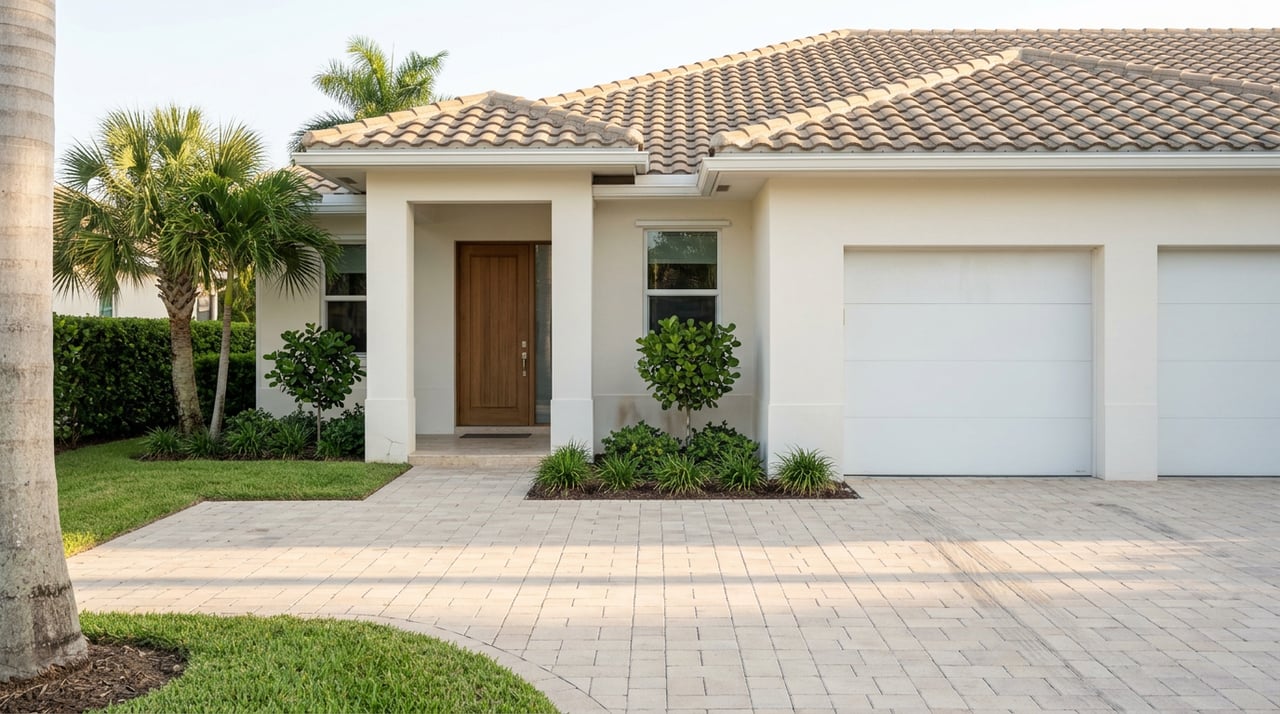
New construction offers the most control. If your goal is a cohesive floor plan, current building standards, and a home designed around today’s preferences, rebuilding may be the cleaner solution.
That can be especially true if the existing home has major limitations, sits low relative to flood requirements, or would require extensive work to deliver the result you want.
Florida’s current code is the 8th Edition, effective December 31, 2023. The City of Naples requires permit applications to be filed electronically through its Public Portal.
State law says a permit for a single-family residential dwelling must be issued within 30 working days of application unless unusual circumstances or code or ordinance issues apply. Even so, the process still depends on complete plans, code compliance, and site-specific review.
Many buyers assume design review is the biggest hurdle in Olde Naples. In practice, that is not always the case for single-family homes.
The Planning Department requires pre-application meetings for development review petitions, and the Design Review Board uses pre-application review for applicable projects. However, the board does not review single-family zoning districts. For many Olde Naples houses, flood, building, and historic-preservation rules matter more than design review board aesthetics.
A teardown and rebuild may feel straightforward on paper, but the city still layers in site-management steps. Naples can require a temporary construction fence before a permit is issued for complete or partial demolition and before a permit is issued for new construction or a major addition.
If demolition involves a contributing historic building, additional rules may apply, including possible delay periods and nearby owner-notice requirements. That is one reason due diligence should happen before you commit to a demolition strategy.
Here is a simple way to think about the tradeoffs in Olde Naples:
| Path | Potential Advantages | Potential Challenges |
|---|---|---|
| Renovation | Preserves character, may keep a good lot setup, can be less disruptive | Permit complexity, flood compliance, scope creep, historic review |
| New construction | Maximum design control, easier alignment with current code, turnkey end result | More planning, demolition steps, site requirements, higher upfront cost |
Your decision should not be based on construction logic alone. It should also reflect what buyers are likely to value if you sell in the future.
As of May 2026, Old Naples had a median listing price of about $1.87 million, 347 active listings, a median of 107 days on market, and homes selling at about 96 percent of asking. That suggests a premium neighborhood with a cooler, more buyer-leaning pace.
In a market like that, condition and clarity matter. Buyers may be more selective about design consistency, flood preparedness, and whether a property feels complete rather than compromised.
National remodeling data also support a disciplined approach. The 2025 Cost vs Value Report found that modest exterior updates and midrange projects tended to recoup more than upscale additions.
Projects such as garage-door replacement, steel entry-door replacement, fiber-cement siding, and a midrange minor kitchen remodel performed better than upscale primary-suite additions and upscale major kitchen remodels. In Olde Naples, that suggests targeted improvements can be more defensible than an expensive expansion unless that expansion clearly solves a buyer need.
In Olde Naples, the market may reward one of two clear outcomes more than a middle-ground compromise. One is a truly turnkey new build. The other is a preservation-minded renovation that respects the home, the lot, and the neighborhood context.
What tends to be riskier is the expensive half-measure. If you spend heavily without solving flood issues, layout problems, or design inconsistency, you may not get the result or resale appeal you expected.
Use these questions early in your process:
The more clearly you can answer those questions, the easier it becomes to compare renovation and new construction on real terms rather than rough assumptions.
If you are considering a purchase, sale, teardown opportunity, or renovation-minded property in Olde Naples, working with someone who understands neighborhood nuance can help you avoid costly surprises. For thoughtful guidance on how a property’s lot, location, and improvement path may affect value, connect with Donna Schrim.
Stay up to date on the latest real estate trends.


A thoughtful, results-driven approach tailored to your goals—combining market insight, strategic guidance, and a seamless experience from start to finish.