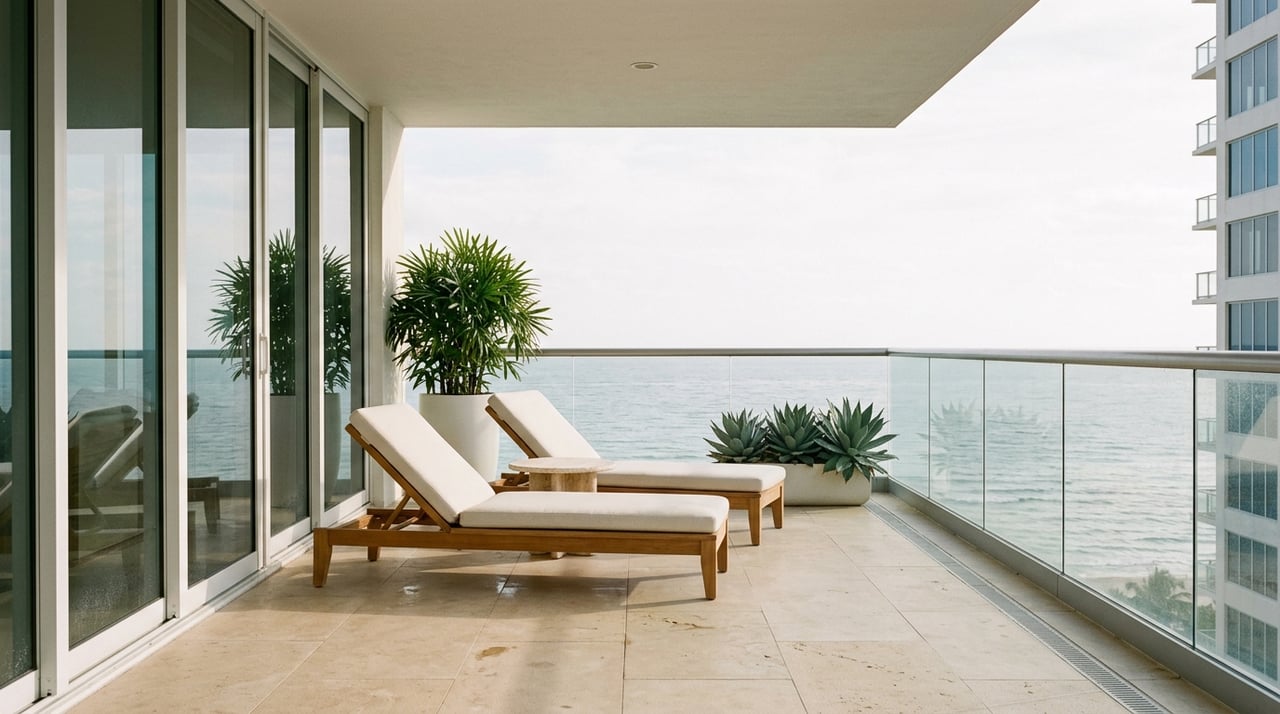
Guide To Buying A Park Shore Waterfront Condo
May 14, 2026
May 14, 2026
Waterfront means different things in Park Shore, and that is exactly why buying here takes more than falling in love with a view. If you are searching for a condo in this Naples neighborhood, you are likely weighing beach access, boating, walkability, and long-term building health all at once. This guide will help you sort through those moving parts so you can buy with more clarity and fewer surprises. Let’s dive in.
One of the most important things to know about Park Shore is that it is not a single type of waterfront product. The neighborhood includes Gulf-edge high-rises, bay-edge residences, and condos that are close to the water without being directly on it. That mix is part of Park Shore’s appeal, but it also means the word waterfront can be used loosely in listings.
Before you focus on finishes or décor, confirm the actual water exposure of the unit. Review the floor plan, balcony orientation, survey, and listing photos carefully so you know whether you are looking at direct Gulf frontage, bayfront positioning, or a nearby water view. In Park Shore, that difference affects both lifestyle and value.
Park Shore stands out because it blends coastal living with daily convenience. Venetian Village anchors the neighborhood with a waterfront shopping and dining setting, and the area also offers access to nearby destinations like Waterside Shops, Artis—Naples, and Clam Pass Park. For many buyers, that combination feels easier and more connected than a purely resort-style environment.
This is also a neighborhood where your lifestyle choice matters as much as the condo itself. Some buyers want to walk to waterfront restaurants and shops. Others care more about private beach access, marina proximity, or a lock-and-leave building near everyday amenities.
Venetian Village is a major part of Park Shore’s appeal. It includes more than 45 waterfront retailers and waterside restaurants, along with more than 50 shops, art galleries, and waterfront dining options. If you want a condo where you can step out for dinner, coffee, or a casual stroll without getting in the car, this setting can be a real advantage.
Not every Park Shore buyer wants the same version of waterfront living. Some prioritize beach days and sunset views. Others are more focused on boating access or simply enjoying a water-oriented neighborhood without direct beach frontage.
Park Shore’s private beach access is a meaningful feature, but it is not automatic in the way some buyers expect. The Raymond L. Lutgert Beach Park is a 200-foot, 2.7-acre private beachfront park for the exclusive use of Park Shore Association members. Access for vehicles, bikes, and pedestrians requires an active membership card, the park is open from dawn to dusk, and only service animals are permitted.
That matters because this is a membership-based amenity, not public beach access bundled into the neighborhood name. If private beach entry is important to you, confirm whether the unit is eligible for Park Shore Association membership and whether the current owner’s membership status is up to date.
The Park Shore Association is a voluntary neighborhood association, not an HOA. Owners of residential condominium units within Park Shore boundaries may join, and for 2026 the association lists a $1,000 initiation fee and $300 in annual dues. In practical terms, you may have your condo association dues plus separate Park Shore Association costs if you want access to the private beach park.
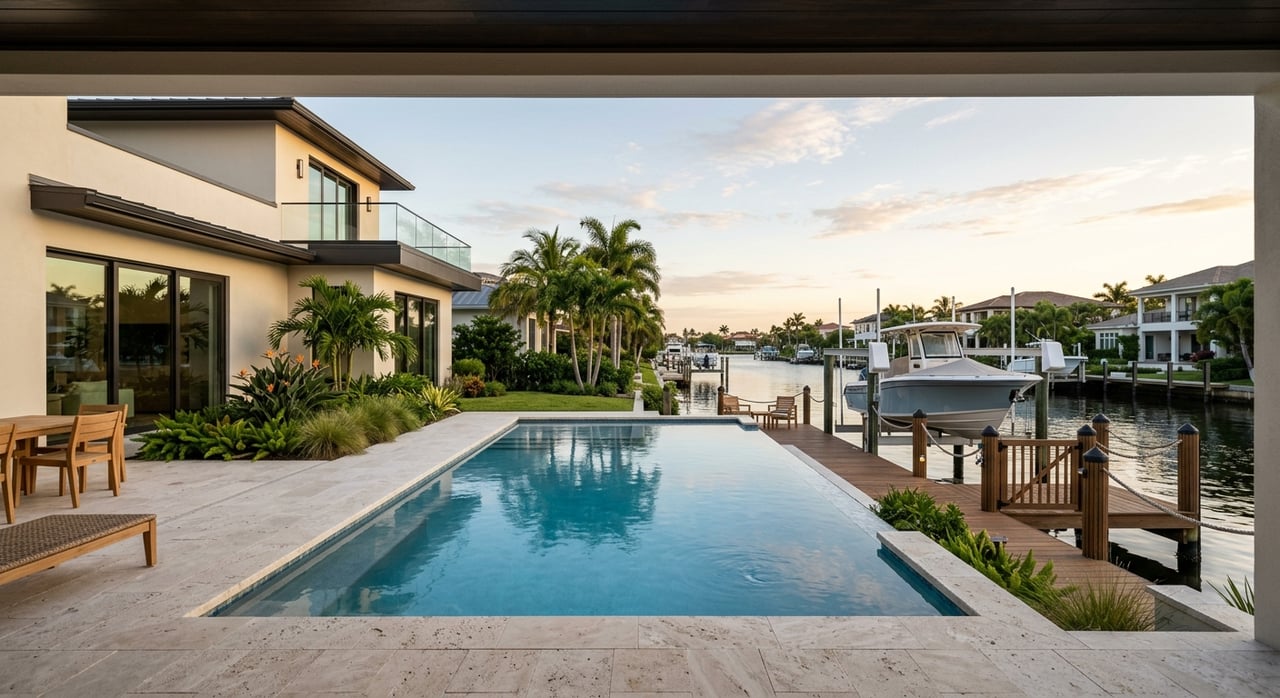
Boating is part of the Park Shore story, but there is an important difference between living near a marina and owning boating rights with your condo. Naples Marina at The Village Shops on Venetian Bay offers memberships, daily and multi-day rentals, gas, bait, parking, and boating access within a local range from roughly Bonita Springs to Marco Island and up to 3 miles offshore.
That makes boating access very real for the neighborhood, but you still need to verify the details for the specific building and unit. Ask whether the condo includes deeded dock rights, assigned slips, or simply close proximity to the marina. Do not assume that being in Park Shore means your condo comes with direct boating privileges.
If private beach membership is not central to your decision, compare Park Shore with nearby public access points. Clam Pass Park offers 171 public parking spaces, a three-quarter-mile boardwalk, a tram, and year-round hours. Vanderbilt Beach Park is another popular option, although parking can be harder to find during winter, and arriving before 10 a.m. from January through March can improve your chances.
This matters because some buyers discover they do not need private-member beach access to enjoy the area. Others decide that private access is worth the added cost and structure. The right answer depends on how you expect to use the property.
In Park Shore, a beautiful condo can still be the wrong purchase if the building’s finances, inspections, or maintenance outlook are not aligned with your goals. Because many of the neighborhood’s waterfront condos are in multi-story towers, Florida condominium rules now play a major role in buyer due diligence.
For residential condominium associations in buildings that are three habitable stories or higher, state law requires a Structural Integrity Reserve Study, or SIRS, at least every 10 years after creation. That study includes a visual inspection of major components such as the roof, structure, fireproofing, plumbing, electrical systems, waterproofing and exterior painting, windows and exterior doors, plus other costly deferred-maintenance items that could affect those systems.
Florida’s milestone inspection law also applies to condo and coop buildings that are three habitable stories or more. In general, the inspection is required by the year the building turns 30 and every 10 years after that, though some coastal buildings may be required by the local enforcement agency to complete it at 25 years because of saltwater proximity.
This is not a cosmetic review. It is a structural inspection performed by an engineer or architect, and the association must distribute the prepared summary to owners after completion. For you as a buyer, that summary can reveal whether the building is simply aging normally or facing major repair planning.
Florida reserve funding rules have changed in ways that can directly affect monthly costs. For budgets adopted on or after December 31, 2024, associations required to obtain a SIRS generally cannot waive or reduce reserves for the structural items identified in that study. A completed milestone inspection may allow a short pause or reduction in reserve funding for up to two consecutive annual budgets to pay for recommended repairs.
The takeaway is simple: monthly condo fees and special assessments may shift in a meaningful way depending on inspection findings and repair timing. A lower fee is not always a better value if the reserve position is weak or expensive work is still ahead.
Florida resale disclosure rules require sellers to provide important condominium documents. These include the declaration, articles, bylaws and rules, the most recent annual financial statement and budget, and the FAQ document. When applicable, the seller must also provide the milestone inspection summary, turnover report, and most recent SIRS.
Do not stop at the resale package. For a Park Shore waterfront condo, your review should also include the reserve schedule, insurance information, board minutes, and any special assessment history. Those records often tell you more about the real ownership experience than the listing description ever could.
As you narrow your options, keep these questions front and center:
Park Shore is appealing, but it is not the only Naples waterfront lifestyle to consider. Comparing it with nearby communities can sharpen your decision and help you avoid buying into the wrong fit.
Compared with Pelican Bay, Park Shore is often the more compact and neighborhood-centered choice. Pelican Bay offers nearly 3 miles of beaches and a more extensive amenity network that includes beach attendants, loungers, umbrellas, cabanas, sailboats, sea kayaks, and an open-air tram system. Park Shore, by contrast, leans more on its private beach park, Venetian Village, and marina-centered convenience.
Compared with The Moorings, Park Shore shares the appeal of voluntary neighborhood association membership and private beach access. The Moorings is larger and more traditionally residential, spanning roughly 730 acres and including about 875 single-family homes and 82 condo buildings. Park Shore often feels more concentrated, with a stronger blend of beach, bay, and walkable waterfront activity.
The best Park Shore waterfront condo is not always the one with the highest floor or the flashiest renovation. It is the one that fits how you plan to live. If you want private-member beach access, easy dining at Venetian Village, and a neighborhood that keeps your daily routine simple, Park Shore can be a very compelling choice.
If you are buying from out of town or comparing several Naples waterfront areas at once, it helps to look beyond the photos and ask sharper questions about access, ownership costs, and building condition. That kind of clarity can protect both your enjoyment and your investment over time.
When you are ready to sort through Park Shore’s waterfront options with a local, strategic point of view, Donna Schrim can help you compare buildings, understand the lifestyle tradeoffs, and focus on the properties that truly fit your goals.
Stay up to date on the latest real estate trends.



A thoughtful, results-driven approach tailored to your goals—combining market insight, strategic guidance, and a seamless experience from start to finish.